
What is GORD?
Gastro-oesophageal reflux disease (GORD) is a condition where the stomach acid leaks into your food pipe (oesophagus) causing a burning sensation in your chest and other associated symptoms.
Everyone experiences acid reflux once in a while after a heavy meal or when lying down. However, people with GORD experience acid reflux on a regular basis, often more than twice a week, and it could lead to serious health concerns and negatively impact quality of life.
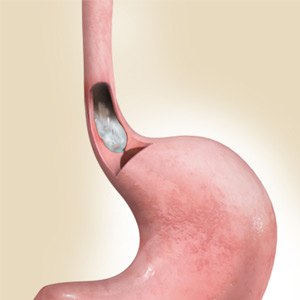
What Causes GORD?
GORD occurs as a result of the weakening of the lower oesophageal sphincter (LOS) which is a muscular ring that connects the lower part of the oesophagus to the stomach. The function of the LOS is to prevent the backing up of food and stomach acids into the oesophagus, but when the sphincter is weak, it fails to close tightly enough resulting in acid reflux. The other common way it occurs is due to the LOS opening too frequently.
What are the Risk Factors for GORD?
Factors that may contribute to the development of GORD include:
- Obesity
- Hiatal hernia
- Loose LOS
- Natural weakness of the lower oesophageal sphincter
- Consuming too much oily and spicy foods
- Certain types of medications
- Drinking alcohol
- Lying down after a heavy meal
What are the Symptoms of GORD?
You may experience the following symptoms:
- A harsh, burning sensation in your chest rising from your stomach
- Regurgitation of partially digested food
- Sour taste in the mouth
- Nausea and vomiting
- Chronic coughing or wheezing
- Difficulty swallowing
- Hoarseness of voice
- Sore throat
- Bad breath
- Sinusitis
What if GORD is Left Untreated?
If left untreated, GORD can cause bleeding, perforation, ulcer, scarring, or precancerous changes in the mucosal lining of the oesophagus.
How is GORD Diagnosed?
To diagnose your condition, your doctor will discuss the frequency of your symptoms as well as the aggravating and relieving factors and perform a physical examination. The following diagnostic tests may be ordered:
- Endoscopy: A fibre optic camera is introduced through your mouth allowing visualisation of the oesophagus to look for signs of GORD. This is a day procedure.
- Radiology: CT scan, X-rays.
- Oesophageal Manometry: It is a method of testing the strength and efficiency of oesophageal contraction. A thin tube is passed through your nose down your throat and into the oesophagus. The pressure on the tube is measured as you eat different types of food.
- pH Study: It is performed to check the acid levels in your oesophagus
- Impedance Testing: It is performed to check for non-acid reflux in your oesophagus
What are the Treatments for GORD?
The three progressive stages of treatment of GORD are:
Lifestyle Modifications
The first line of treatment would be lifestyle changes such as:
- Avoid foods that aggravate GORD symptoms
- Eat smaller meals
- Do not lie down for at least 3 hours after a meal
- Maintain a healthy body-mass index
- Elevate the head of your bed while lying down
- Stop smoking
- Reduce alcohol consumption
Medication Therapy
If lifestyle changes do not resolve symptoms, you may have to use medications such as:
Antacids – These are medications that neutralise the effect of stomach acids.
Acid-suppression medications – These medications suppress the production of stomach acids. These include H2 Antagonists and PPIs.
Reflux Surgery
If medications and lifestyle treatments fail to resolve your GORD symptoms, surgery should be considered. Surgeons can offer the latest surgical treatments such as robotic surgery and laparoscopic anti-reflux surgery to ensure positive outcomes and quick return to activities of daily living. This is usually done through keyhole incisions and you have a short hospital stay, usually just overnight. You can return to work after one week and will have a modified diet for 4 weeks post-op.
Know More About Reflux Disease
You will need the Adobe Reader to view and print these documents.