
What is Inflammatory Bowel Disease?
The term inflammatory bowel disease (IBD) refers to a group of intestinal disorders that cause chronic inflammation of the gastrointestinal (GI) tract or digestive tract. Prolonged inflammation can result in the destruction or damage of the walls of the intestines, leading to the formation of sores and narrowing of the intestines. The two most common inflammatory bowel disorders include Crohn’s disease and ulcerative colitis.
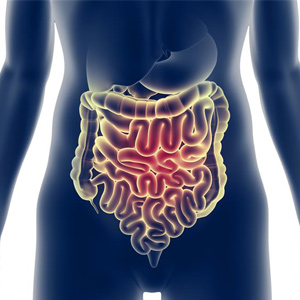
In Crohn’s disease, inflammation may occur in any region of the intestine. However, the inflammation usually affects the final part of the small intestine. In ulcerative colitis, inflammation occurs in the innermost lining of the large intestine.
Anatomy of the Gastrointestinal Tract
The gastrointestinal tract is made up of the mouth, oesophagus (food pipe), stomach, large and small intestines, and the anus. There are many accessory organs, such as the gallbladder, pancreas, and liver, which aid in the digestion and absorption of nutrients as food passes from the mouth through the intestines and waste exits through the anus. Inflammation anywhere along the gastrointestinal tract can hinder this normal process and affect the overall function of the digestive system. Inflammatory bowel disease can be a disruptive and extremely painful condition. In rare instances, it may also be life-threatening.
What are the Causes of Inflammatory Bowel Disease?
The exact cause of inflammatory bowel disease is unclear; however, some of the risk factors for developing IBD may include:
- Immune system abnormalities:It may be an autoimmune condition in which the immune system functions abnormally by considering the gut bacteria and the cells in the lining of the colon as foreign particles and attacks and destroys them, causing IBD symptoms.
- Family history and genetics often play a role.
- Environmental factors: These include cold climates, sedentary job or lifestyle, poor hygiene, and high consumption of processed and fatty food.
- Smoking: It has been associated with aggravating symptoms of IBD.
- Ethnicity: Certain ethnic groups, such as Ashkenazi Jews and white people, are at higher risk of developing IBD.
- Age: Even though IBD can occur at any age, it mostly affects people under the age of 35.
What are the Signs and Symptoms of Inflammatory Bowel Disease?
Signs and symptoms of inflammatory bowel disease include:
- Rectal bleeding
- Abdominal cramps and pain
- Fatigue
- Weight loss
- Fever
- Recurrent diarrhoea with bloody stools
- Rectal pain
- Mucous in stool
- Dehydration
- Anaemia
- Frequent defecation
What are the Complications of Inflammatory Bowel Disease?
Complications associated with inflammatory bowel disease include:
- Malnutrition
- Bowel obstruction
- Anal fissure: Tear in the muscular ring that forms the anal sphincter
- Fistulas: An abnormal connection between 2 body parts, such as a blood vessel or organ, and another structure
- Blood clots
- Joint, skin, and eye inflammation
- Colon cancer
- Primary sclerosing cholangitis: Scarring and narrowing of the bile ducts, which gradually causes liver damage
- Perforated colon
- Toxic megacolon: Swelling and enlargement of the colon
- Severe dehydration
How is Inflammatory Bowel Disease Diagnosed?
Some of the common methods employed for the diagnosis of inflammatory bowel diseases include:
- A review of your medical history, symptoms, and physical examination
- A stool sample test to check for the presence of blood in the stools, bacteria, or parasites which confirms infection, and elevated calprotectin, a protein present due to intestinal inflammation.
- X-rays of the abdomen to help detect serious complications such as colon perforations.
- A complete blood count (CBC) test to check for signs of anaemia, C-reactive protein levels that determine inflammation, and to evaluate liver function.
- Colonoscopy: A thin flexible light tube with a camera attached to its end will be inserted inside your rectum to view your colon, and a biopsy (sample of tissue) will be taken for further examination under a microscope.
- CT scan: This is a specialised X-ray technique that produces more detailed images of the abdomen and pelvis than a standard X-ray.
- Flexible sigmoidoscopy: A slender tube with a light and a camera at one end is inserted into the last portion of the colon to examine the sigmoid and the rectum.
- Capsule endoscopy: In this procedure, you consume a capsule containing a tiny camera, which is eventually passed out in stools. The pictures obtained are used in diagnosis.
What are the Treatments for Inflammatory Bowel Disease?
Treatment for inflammatory bowel disease is mainly focused on relieving symptoms and preventing further eruption of the disease. Based on the severity of the condition, treatment may include:
- Diet: You will be instructed to follow a balanced diet containing fruits and vegetables, proteins, nutrients, and vitamins.
- Medications: Your doctor will prescribe some medications that include:
- Anti-inflammatory medication: To reduce inflammation and control symptoms, corticosteroids are prescribed in case nonsteroidal anti-inflammatory drugs are found to be ineffective, but these are only prescribed for a short duration until symptoms are controlled.
- Antibiotics: These medications treat bacterial infections and heal the sores.
- Immunomodulatory drugs: These medications suppress the immune response and prevent inflammation.
- Biologics: These are made from the proteins present in living cells and include antitumor necrosis agents that help control inflammation mediated by the immune system. This is mainly used in patients with severe ulcerative colitis.
- Anti-diarrheal medications to treat diarrhoea.
- Vitamins and iron supplements to address malnutrition and anaemia.
- You may require hospitalisation to manage complications of inflammatory bowel disease, such as severe bleeding, dehydration, and colon perforation.
- Surgery: If medications are found to be ineffective, surgery is recommended that may include:
- Colectomy: The entire colon or a part of it is surgically removed.
- Proctocolectomy: The entire colon and rectum are excised.
- Ileostomy: Your surgeon will make a small incision in the abdomen, and the end of the small intestine is connected to a pouch that collects intestinal waste.
- Ileal pouch-anal anastomosis: An opening will be created at the end of the small intestine that is attached to the anus to collect stool.
- Surgery for Crohn's disease: This involves the removal of the damaged portion of the digestive tract and reconnecting the healthy sections. Surgery may also be needed to drain abscesses and close fistulas.
What are the Preventive Measures for Inflammatory Bowel Disease?
Preventive measures may include:
- Mediterranean style diet, rich in fruit, vegetables, whole grains, fish and olive oil
- Increase fibre intake
- Limit processed foods
- Do not smoke
- Exercise regularly
- Manage stress
- Maintain a healthy weight
Know More About Inflammatory Bowel Disease
You will need the Adobe Reader to view and print these documents.