
What are Colonic Polyps?
Colonic polyps are small growths that form on the colon's inner lining (large intestine) or rectum. Most polyps are non-cancerous (benign), but some have the potential to turn into bowel (colorectal) cancer over time. Bowel cancer is one of the most common cancers in Australia, but it is also one of the most preventable, especially with early detection and regular screening. Unfortunately, Australia has the highest rate of early-onset bowel cancer (diagnosed <50 years of age) in the world.
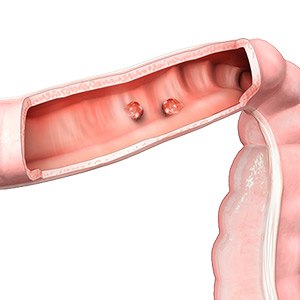
Impact of Colonic Polyps on Anatomy and Health
Colonic polyps can grow slowly and silently over many years. While some are harmless, others, particularly adenomas and serrated polyps, can eventually develop into bowel cancer if left untreated. The transformation from a polyp to cancer usually happens gradually, which is why regular screening is so important.
Causes and Risk Factors for Colonic Polyps & Bowel Cancer
The exact cause of colonic polyps and bowel cancer is not always known, but several contributing factors have been identified:
- Cellular Changes: Polyps form when normal cells in the colon grow and divide more rapidly than they should, often due to genetic mutations.
- Chronic Inflammation: Ongoing inflammation of the bowel lining, as seen in inflammatory bowel disease, can increase the likelihood of polyp formation.
- Dietary Habits: A low-fibre, high-fat diet—especially with frequent consumption of red or processed meats—has been linked to increased polyp and cancer risk.
- Environmental and Lifestyle Factors: Smoking, alcohol, obesity, and a sedentary lifestyle all play a role in increasing the likelihood of polyps turning cancerous.
Symptoms of Colonic Polyps & Bowel Cancer
Most colonic polyps do not cause symptoms, so routine screening is essential. However, as polyps grow or if cancer develops, symptoms may appear, such as:
- Blood in the stool or rectal bleeding
- Unexplained weight loss
- Persistent changes in bowel habits, such as diarrhoea or constipation
- Abdominal discomfort or cramps
- Fatigue or weakness, often due to low iron levels (anaemia)
Other conditions can also cause these symptoms, but they should not be ignored. If you experience any of them, speak to your doctor promptly.
Prevention of Colonic Polyps & Bowel Cancer
While not all cases are preventable, many steps can reduce your risk:
- Participate in Regular Screening: This is the most effective way to detect and remove precancerous polyps early.
- Eat a Healthy Diet: Choose a high-fibre diet rich in fruits, vegetables, and whole grains. Limit red and processed meats.
- Stay Active: Aim for at least 30 minutes of moderate physical activity most days of the week.
- Avoid Smoking and Limit Alcohol: These are both linked to increased cancer risk.
- Maintain a Healthy Weight: Obesity is a known risk factor for both polyps and bowel cancer.
- Manage Chronic Conditions: Proper treatment of inflammatory bowel disease and regular follow-up care are important.
Types of Colonic Polyps
- Adenomatous Polyps (Adenomas): These are the most common type and carry a higher risk of turning cancerous.
- Hyperplastic Polyps: Usually small and considered low-risk for cancer.
- Serrated Polyps: Can be low or high risk, depending on size and location.
- Inflammatory Polyps: Seen in inflammatory bowel disease; generally not precancerous.
Diagnosis of Colonic Polyps
Diagnosis usually begins with a screening test, followed by further evaluation:
- Stool Tests (e.g., FIT): Can detect traces of blood that may indicate polyps or cancer.
- Colonoscopy: The gold standard for diagnosis and treatment, allowing visual inspection and removal of polyps.
- Biopsy: Tissue from a polyp or tumour is analysed to determine if it’s cancerous.
- Imaging Tests: CT scans or MRIs may be used if cancer is suspected or to assess how far it has spread.
Early diagnosis greatly improves outcomes and treatment success.
Treatment of Colonic Polyps
Treatment depends on the findings and stage of the disease:
- Polypectomy: Most polyps are removed during a colonoscopy.
- Surgery: Required for larger polyps or if cancer is present.
What if Colonic Polyps & Bowel Cancer Are Left Untreated?
If left untreated, certain types of polyps—especially adenomas and serrated polyps—can develop into bowel cancer. Once cancer forms, it can grow and spread to other parts of the body, becoming more difficult to treat and potentially life-threatening.
Early detection and timely treatment can prevent this. That's why screening is not just important—it's lifesaving.