
Causes and Risk Factors for Colonic Polyps & Bowel Cancer
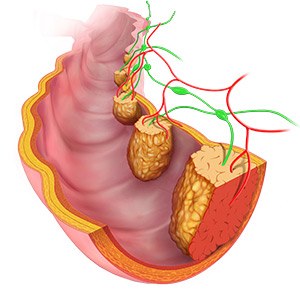
The exact cause of colonic polyps and bowel cancer is not always known, but several contributing factors have been identified:
- Cellular Changes: Polyps form when normal cells in the colon grow and divide more rapidly than they should, often due to genetic mutations.
- Chronic Inflammation: Ongoing inflammation of the bowel lining, as seen in inflammatory bowel disease, can increase the likelihood of polyp formation.
- Dietary Habits: A low-fibre, high-fat diet—especially with frequent consumption of red or processed meats—has been linked to increased polyp and cancer risk.
- Environmental and Lifestyle Factors: Smoking, alcohol, obesity, and a sedentary lifestyle all play a role in increasing the likelihood of polyps turning cancerous.
Symptoms of Colonic Polyps & Bowel Cancer
Most colonic polyps do not cause symptoms, so routine screening is essential. However, as polyps grow or if cancer develops, symptoms may appear, such as:
- Blood in the stool or rectal bleeding
- Unexplained weight loss
- Persistent changes in bowel habits, such as diarrhoea or constipation
- Abdominal discomfort or cramps
- Fatigue or weakness, often due to low iron levels (anaemia)
Other conditions can also cause these symptoms, but they should not be ignored. If you experience any of them, speak to your doctor promptly.
Prevention of Colonic Polyps & Bowel Cancer
While not all cases are preventable, many steps can reduce your risk:
- Participate in Regular Screening: This is the most effective way to detect and remove precancerous polyps early.
- Eat a Healthy Diet: Choose a high-fibre diet rich in fruits, vegetables, and whole grains. Limit red and processed meats.
- Stay Active: Aim for at least 30 minutes of moderate physical activity most days of the week.
- Avoid Smoking and Limit Alcohol: These are both linked to increased cancer risk.
- Maintain a Healthy Weight: Obesity is a known risk factor for both polyps and bowel cancer.
- Manage Chronic Conditions: Proper treatment of inflammatory bowel disease and regular follow-up care are important.
Stages of Bowel Cancer
The stages of bowel cancer include:
- Stage I: Cancer is localised within the bowel wall.
- Stage II: Cancer has grown through the wall but hasn’t spread to lymph nodes.
- Stage III: Cancer has spread to nearby lymph nodes.
- Stage IV: Cancer has spread to other parts of the body, such as the liver or lungs.
Diagnosis of Colorectal Cancer
Diagnosis usually begins with a screening test, followed by further evaluation:
- Stool Tests (e.g., FIT): Can detect traces of blood that may indicate polyps or cancer.
- Colonoscopy: The gold standard for diagnosis and treatment, allowing visual inspection and removal of polyps.
- Biopsy: Tissue from a polyp or tumour is analysed to determine if it’s cancerous.
- Imaging Tests: CT scans or MRIs may be used if cancer is suspected or to assess how far it has spread.
Early diagnosis greatly improves outcomes and treatment success.
Treatment of Colorectal Cancer
Treatment depends on the findings and stage of the disease:
- Surgery: Required for larger polyps or if cancer is present.
- Chemotherapy and Radiation: Used for more advanced cancers.
- Targeted Therapy or Immunotherapy: May be considered for specific types of advanced bowel cancer.
What if Colonic Polyps & Bowel Cancer Are Left Untreated?
If left untreated, certain types of polyps—especially adenomas and serrated polyps—can develop into bowel cancer. Once cancer forms, it can grow and spread to other parts of the body, becoming more difficult to treat and potentially life-threatening.
Early detection and timely treatment can prevent this. That's why screening is not just important—it's lifesaving.
What is the Bowel Cancer Screening Test?
The screening test is called the Faecal occult blood test (FOBT). It checks for tiny traces of blood in your stool (poo), which are not visible to the naked eye, and can be a sign of bowel cancer or pre-cancerous polyps.
Key features of the FIT test:
- Simple and done at home: You collect two small stool samples using the kit provided.
- Non-invasive: No needles, no hospital visit, and no special preparation like fasting.
- Free for eligible Australians: Mailed every two years to people aged 50 to 74. People can opt in to receive their first kit from the age of 45.
Importance of Bowel Cancer Screening
Screening plays a crucial role in saving lives. Here's why it matters:
- Early detection saves lives: If bowel cancer is found early, 9 out of 10 people can be successfully treated.
- You may have no symptoms: Bowel cancer can develop without any obvious signs, especially in the early stages.
- It can prevent cancer: Screening can detect and remove pre-cancerous polyps before they turn into cancer.
- It’s free and easy: The Australian Government provides free home test kits for eligible people as part of the National Bowel Cancer Screening Program.
Who is Suitable for Bowel Cancer Screening?
- People aged 50 to 74: You will be sent a free bowel cancer screening test kit every two years in the mail.
- Younger people with symptoms or a family history: If you are under 50 but have symptoms (like blood in the stool or changes in bowel habits), or a strong family history of bowel cancer, speak with your GP about getting tested earlier.
How Does the Bowel Cancer Home Test Work?
The home test kit includes clear instructions, two collection tubes, and a reply-paid envelope.
Steps:
- Collect a stool sample on two separate days using the provided collection tools.
- Label and seal the samples according to the instructions.
- Send the samples using the provided reply-paid envelope to the laboratory for analysis.
Results are usually available within two weeks and are sent to you and your GP.
Understanding Bowel Cancer Screening Results
- Negative result: No blood was detected. You should still continue screening every two years and speak to your doctor if you have any bowel symptoms.
- Positive result: Blood was found in your stool. This does not mean you have cancer, but further testing is needed—usually a colonoscopy—to find the source of the bleeding.
What If Bowel Cancer Screening is Delayed?
Delaying or skipping screening increases the chance of cancer being diagnosed at a later stage when it’s harder to treat. If you’ve missed a screening or lost your kit, request a replacement through the National Bowel Cancer Screening Program or ask your GP for help.
Click here to know more about Bowel Cancer.